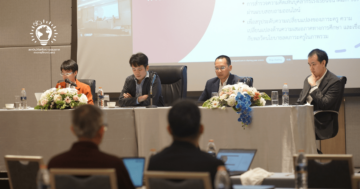
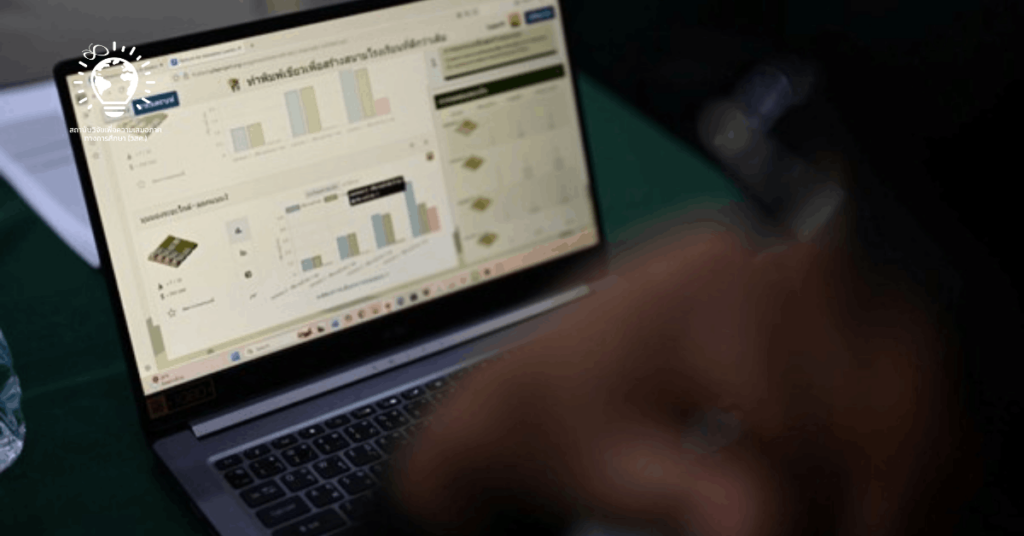
Under the Equitable Education Fund (EEF), the Equitable Education Research Institute (EEFI) held a workshop from November 19–21, 2025, to find “Used Cases” to extract lessons from successes, analyze and synthesize data, identify strengths and weaknesses for development, and contribute to knowledge management and policy recommendations. This event, which took place at The Loft Resort in Bangkok, was the result of a research project to spread creative learning measurement and assessment for development, or “Thai Pila,” a partnership with the Organization for Economic Co-operation and Development (OECD).
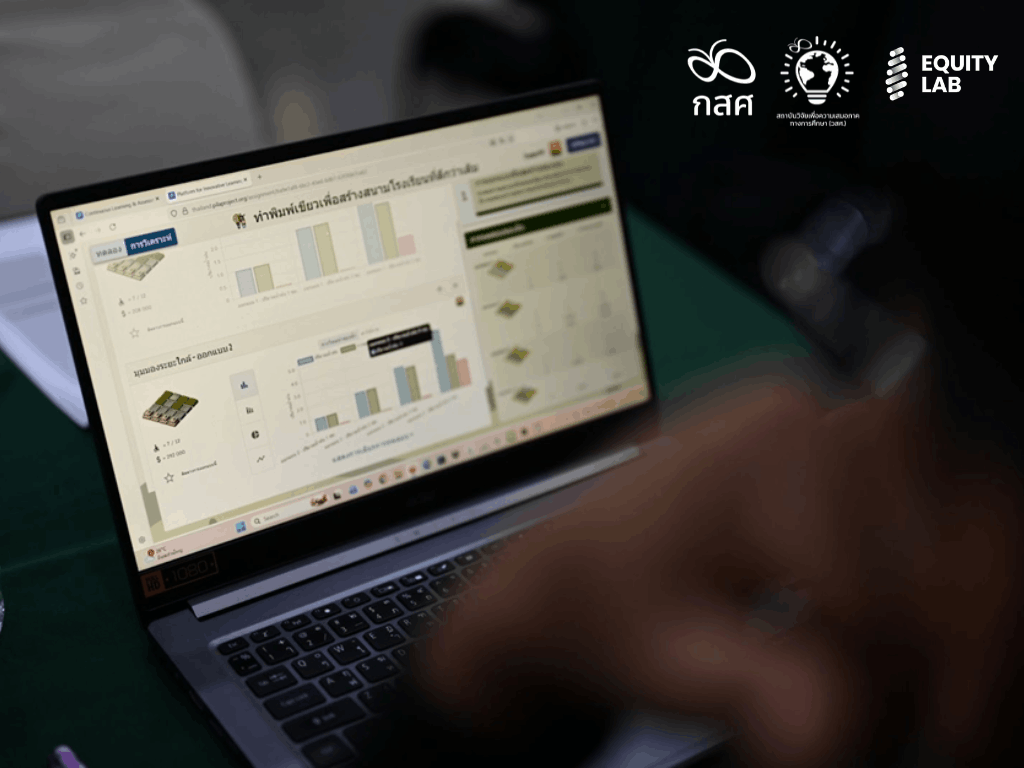
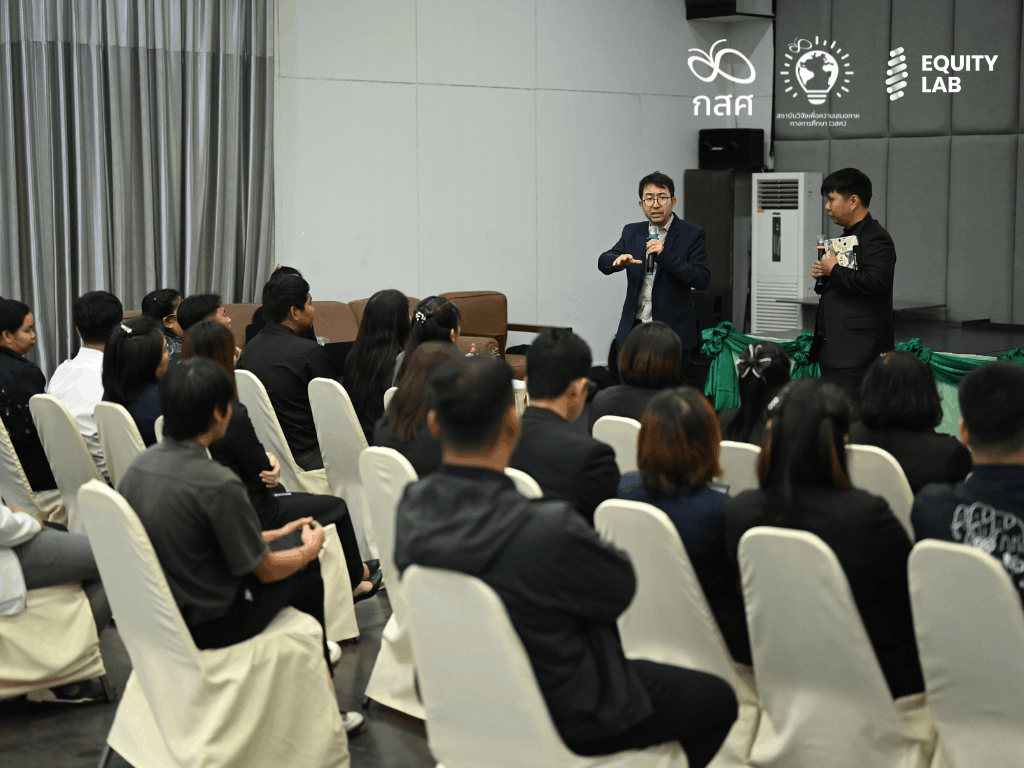
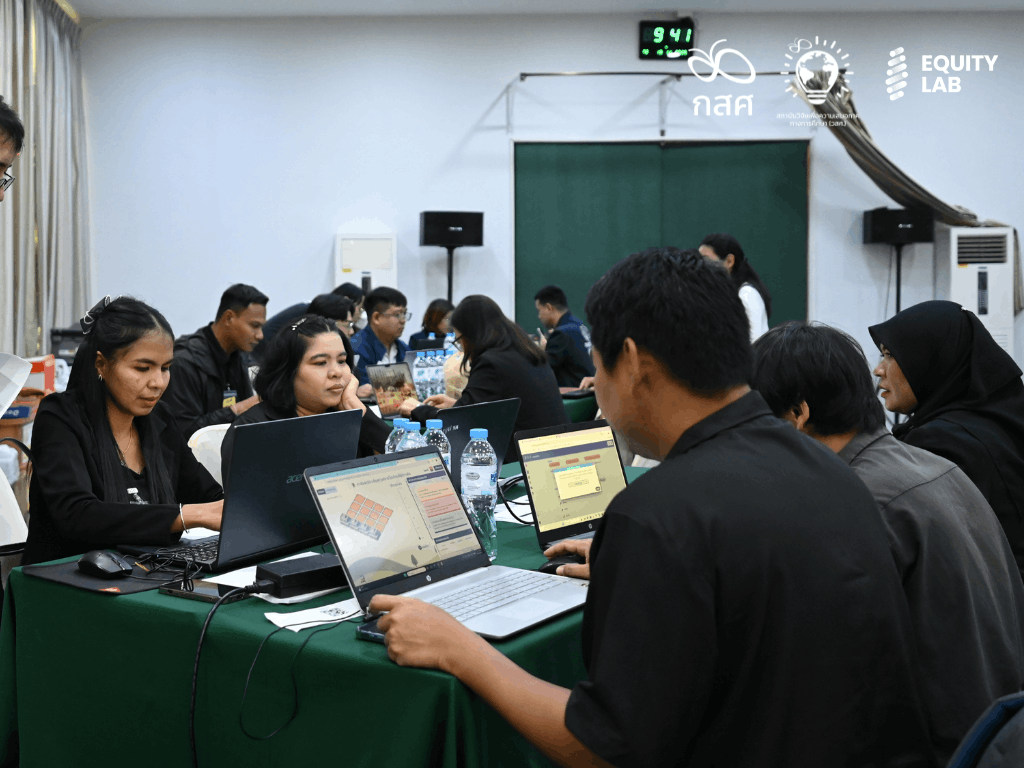
The goal of this partnership is to develop cutting-edge learning assessment technologies that enable educators to use student learning evidence to modify instructional strategies and customize student learning throughout their educational journeys. The Platform for Innovative Learning Assessment in Thailand, or “Thai PILA,” supports the development of innovative learning outcome assessments and leverages learning data to provide targeted support to Thai classrooms.
According to Mario Piacentini, a senior analyst at the Organization for Economic Co-operation and Development (OECD) and a member of the PILA platform development team, Thailand’s educational system has the same issues as many other nations. Students receive lower-than-expected scores on the Programme for International Student Assessment (PISA) due to the curriculum’s lack of support for their growth. The PILA platform was created in response to this difficulty, which enables educators to evaluate students as they advance, create learning activities that monitor students’ progress in real-time, and modify their instruction to suit the needs of their pupils.
“PILA is a tool that helps teachers choose activities that better fit learning objectives, not just a collection of excellent learning activities. Teachers can monitor each student’s progress on a dashboard while they engage in PILA exercises. Through the exercises, teachers may monitor each student’s progress and assist students in closing any learning gaps in Thai classrooms.
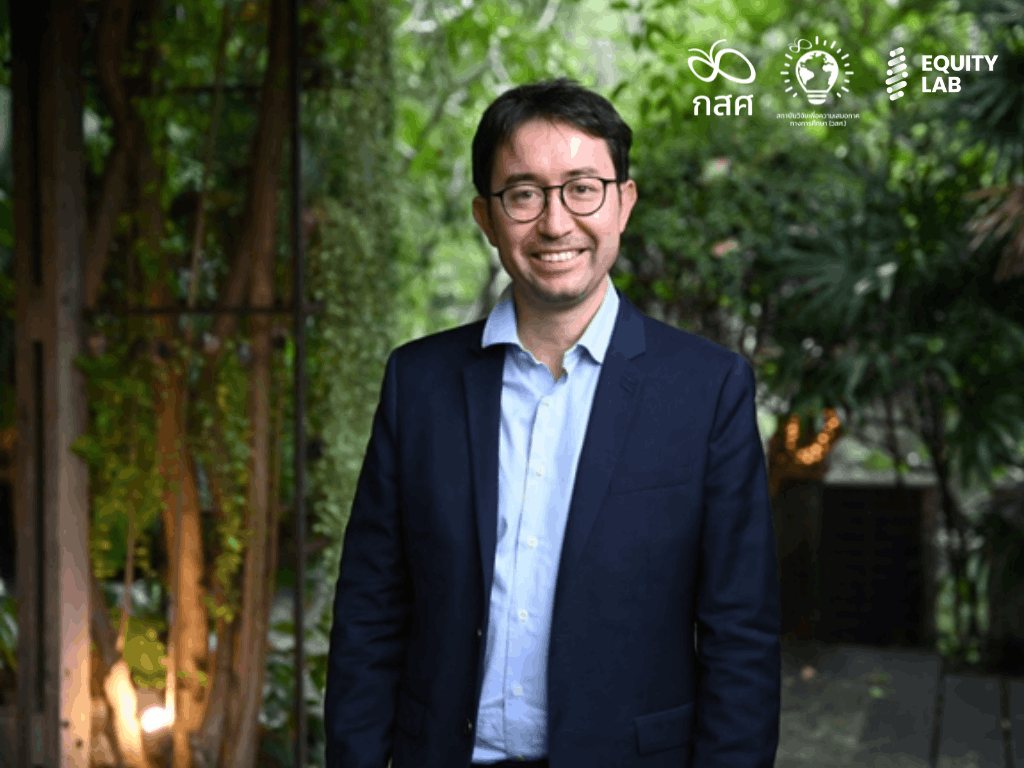
Another member of the PILA platform development team, Emma Linsemayer, an analyst at the Organization for Economic Co-operation and Development (OECD), emphasized the importance of teacher involvement and the role that instructors play in fostering student learning.
“PILA is a platform that is always changing. We wish to create a version especially for Thailand that is adapted to the setting of Thai schools, despite the fact that it is already utilized globally. Through decision-making games that teach them new skills and problem-solving techniques, the platform will give teachers and students from Thai PILA the chance to showcase not only what they have learned but also what they are capable of.
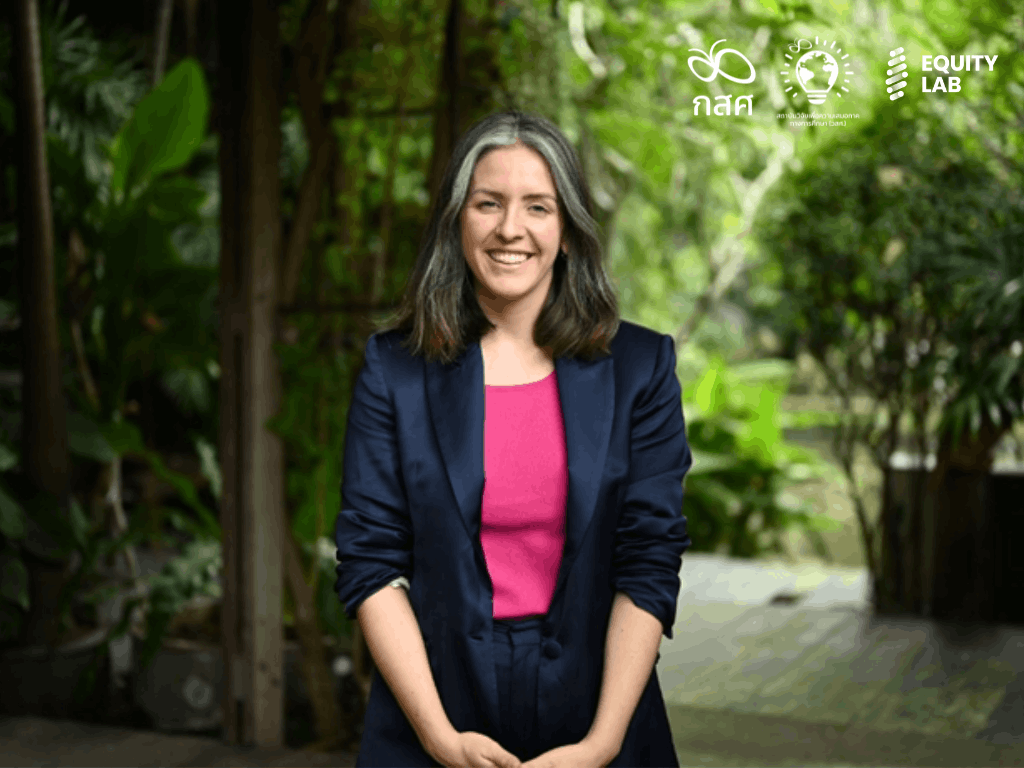
Meanwhile, Atchima Aaj-ong, the lead engineer of Thai PILA, mentioned that a key challenge for the Thai development team is making the Thai PILA platform as suitable as possible for teachers, students, and various subjects in Thai classrooms. Developing a platform related to the Thai language also differs in some aspects compared to the English version, including the design of the platform’s interface. The Thai development team still needs to follow the PILA framework while adapting it to ensure it’s understandable and usable by Thai users.
“PILA’s games are many, excellent, and captivating, meeting the needs of scientific and math education. They do not, however, currently address Thai language studies, which include literature, vowels, tones, and consonants. These aspects are not sufficiently addressed by the existing tools. We might have to look into tools that make use of these characteristics.”
In the past, the Equitable Education Fund (EEF) has made closing the learning result gap one of its main objectives. Developing frameworks for measuring and fostering creativity, evaluating student skills in accordance with worldwide standards to enhance educational institutions, and creating innovations in learning outcome evaluation are just a few of the ongoing projects that have been carried out to close this gap.
The study revealed a significant finding: almost all international learning outcome assessment tools focus on summative evaluation, making it difficult for teachers to identify individual student problems promptly for appropriate learning adjustments.
Formative assessment should prioritize giving teachers access to comprehensive, real-time student data so they may quickly adjust students’ learning behaviors. Additionally, it should concentrate on monitoring how students’ 21st-century learning competencies (VASK), which include values, attitudes, skills, and knowledge, are developing.
One of the instructors who attended this training, Paweena Chaisri, an assistant teacher at the Phetchabun Primary Educational Service Area Office 2, explained that Thai PILA is a new alternative platform that supports teachers in evaluating pupils for progress. Compared to traditional assessments, the dashboard shows comprehensive student assessment data and relieves students of some of the strain associated with the evaluation process.
“Thai PILA is a fresh alternative platform for educators, in my opinion. Compared to paper-based evaluations, which make students feel like they’re taking an exam and care about their results, students will feel less pressure. With Thai PILA’s dashboard, students may use data visualization to gauge their progress and analyze their performance without having to respond to questions like they would in a typical exam.”
Through the cooperative efforts of numerous teams across Thailand, this lessons learned program seeks to promote policy reform from a central position. It highlights how improving digital learning platforms, encouraging learner-ownership, and giving teachers formative assessment tools that are suitable for the Thai classroom setting can all be beneficial. Children and young people in Thailand will learn differently as a result, developing into excellent global citizens and the vital human resources required for the country’s advancement.